

A Journey Through Traditional Indian Cuisine: Flavors, Heritage, and Identity

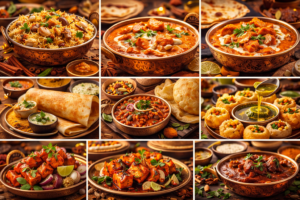
Image 3 Jan 2026, 10.47.56
Indian cuisine is not merely a collection of recipes; it is a living archive of history, geography, belief systems, and cultural exchange. Spanning thousands of years and influenced by empires, trade routes, religions, and regional climates, Indian food represents one of the most diverse culinary traditions in the world. Each dish carries a narrative, often shaped by local ingredients, ancestral knowledge, and communal memory.
From the fertile plains of the north to the coastal kitchens of the south, Indian cuisine reflects both unity and contrast. While spices form a common thread, their use varies dramatically, producing flavors that range from subtle and earthy to bold and incendiary.
Biryani: A Dish of Royal Legacy
Biryani is among the most celebrated dishes in Indian cuisine, known for its aromatic rice, layered spices, and slow-cooked proteins or vegetables. Its origins are often associated with Persian influences brought to the Indian subcontinent by Mughal rulers. Over time, biryani evolved into multiple regional interpretations, each distinct in flavor and technique.
Hyderabadi biryani is rich and intense, cooked using the “dum” method where steam seals flavors within a heavy pot. Lucknowi biryani, by contrast, is more restrained, emphasizing fragrance over heat. In southern regions like Tamil Nadu and Kerala, biryani incorporates local spices and sometimes coconut-based elements. Despite its variations, biryani remains a symbol of celebration, often reserved for festivals, weddings, and communal gatherings.
Masala Dosa: The South Indian Staple
Masala dosa represents the culinary ingenuity of South India. This crisp, fermented crepe made from rice and lentils is filled with a mildly spiced potato mixture and traditionally served with coconut chutney and sambar. Light yet satisfying, masala dosa demonstrates balance rather than excess.
Its fermentation process enhances both flavor and digestibility, reflecting a deep understanding of food science long before modern terminology existed. Originally a regional breakfast item, masala dosa has become a national and international ambassador of Indian vegetarian cuisine.
Butter Chicken: From Refugee Kitchens to Global Fame
Butter chicken, or murgh makhani, originated in post-partition Delhi, created by Punjabi chefs experimenting with leftover tandoori chicken. What began as a practical solution transformed into one of the most iconic Indian dishes worldwide.
The dish combines roasted chicken with a creamy tomato-based sauce enriched by butter and mild spices. Unlike many Indian curries, butter chicken prioritizes smoothness and comfort over intensity. Its widespread popularity reflects how Indian cuisine adapts without losing its essence, bridging traditional flavors with modern palates.
Rogan Josh: A Taste of Kashmir
Rogan josh is a slow-cooked curry that embodies the culinary soul of Kashmir. Traditionally prepared with lamb, the dish is characterized by its deep red color and aromatic profile, derived not from chilies but from dried flowers and spices.
The name “rogan josh” loosely translates to “heated oil” and “intensity,” yet the flavor is more refined than aggressive. Influenced by Persian cooking traditions, this dish emphasizes warmth and depth rather than sharp heat. It is often served during formal meals and cultural celebrations, reflecting hospitality and heritage.
Chole Bhature: Street Food with Substance
Chole bhature is a beloved North Indian combination that pairs spicy chickpea curry with deep-fried bread. It is a dish of contrast, combining crispness and softness, spice and richness.
Popular as a breakfast or lunch item, chole bhature is commonly found in roadside eateries as well as upscale restaurants. Its appeal lies in its simplicity and boldness, offering comfort food that satisfies both hunger and nostalgia.
Idli and Sambar: Simplicity Elevated
Idli, a steamed rice cake, represents the understated elegance of South Indian cuisine. Soft, neutral, and nourishing, idli is often paired with sambar, a lentil-based vegetable stew flavored with tamarind and spices.
This combination exemplifies balance in Indian cooking: protein, carbohydrates, fiber, and fermentation working together. Idli is widely consumed across socioeconomic boundaries, making it one of the most democratic foods in India.
Paneer Tikka: Vegetarian Excellence
Paneer tikka showcases how Indian cuisine elevates vegetarian ingredients without compromise. Cubes of fresh cottage cheese are marinated in spices and yogurt, then grilled until lightly charred. The result is smoky, tender, and deeply flavorful.
Often served as an appetizer, paneer tikka demonstrates the adaptability of Indian flavors to different cooking methods, including tandoor-style roasting. It is a favorite among vegetarians and non-vegetarians alike.
Pani Puri: A Burst of Experience
Pani puri, also known as golgappa or puchka, is less a dish and more an experience. Hollow, crispy spheres are filled with spiced water, tamarind chutney, potatoes, and chickpeas, meant to be eaten in one bite.
Popular across India, pani puri reflects the playful side of Indian street food culture. Its flavors are sharp, tangy, and unpredictable, embodying spontaneity rather than refinement.
The Cultural Meaning of Indian Food
Indian cuisine is inseparable from ritual, religion, and rhythm of life. Many dishes are tied to festivals, seasons, and spiritual practices. Fasting foods, ceremonial sweets, and temple offerings all reflect how food functions beyond sustenance.
Spices themselves carry symbolic meaning. Turmeric represents purity, cardamom signifies hospitality, and cumin is associated with digestion and balance. These elements reveal a worldview where food is both nourishment and philosophy.
Conclusion: A Living Culinary Heritage
Indian food is not static; it evolves with migration, innovation, and changing lifestyles. Yet its foundation remains rooted in respect for ingredients, technique, and cultural memory. Whether served in a rural household or an international restaurant, Indian cuisine continues to tell stories of resilience, diversity, and creativity.
To explore Indian food is to explore India itself, complex, layered, and endlessly expressive.